
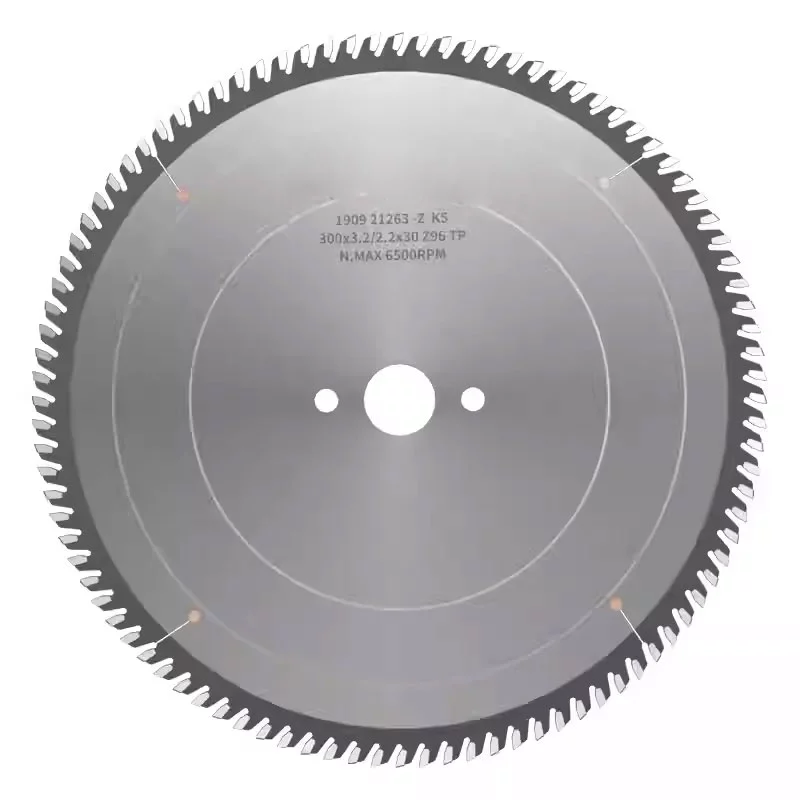
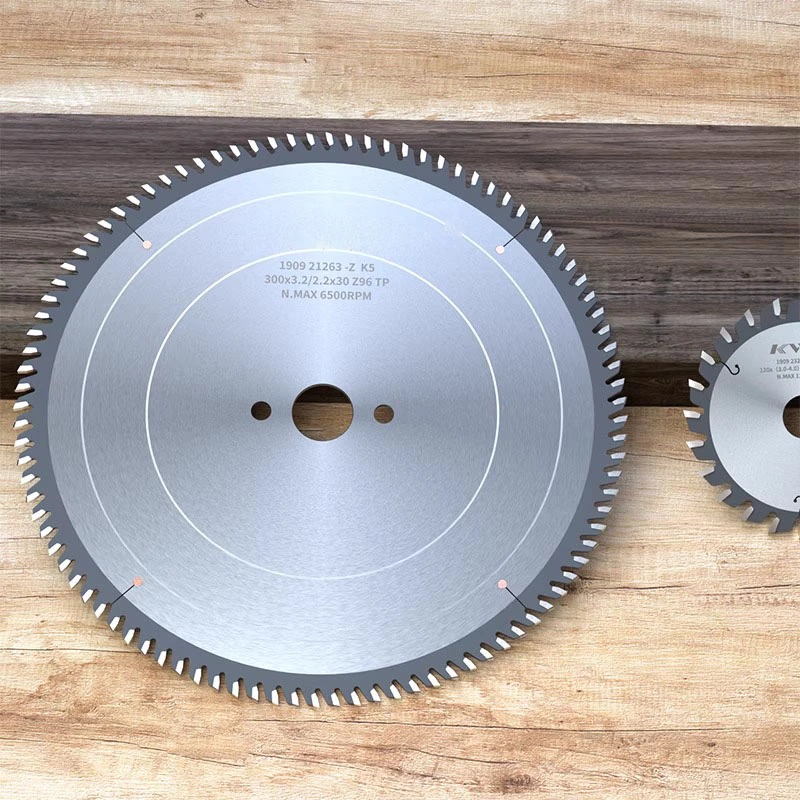

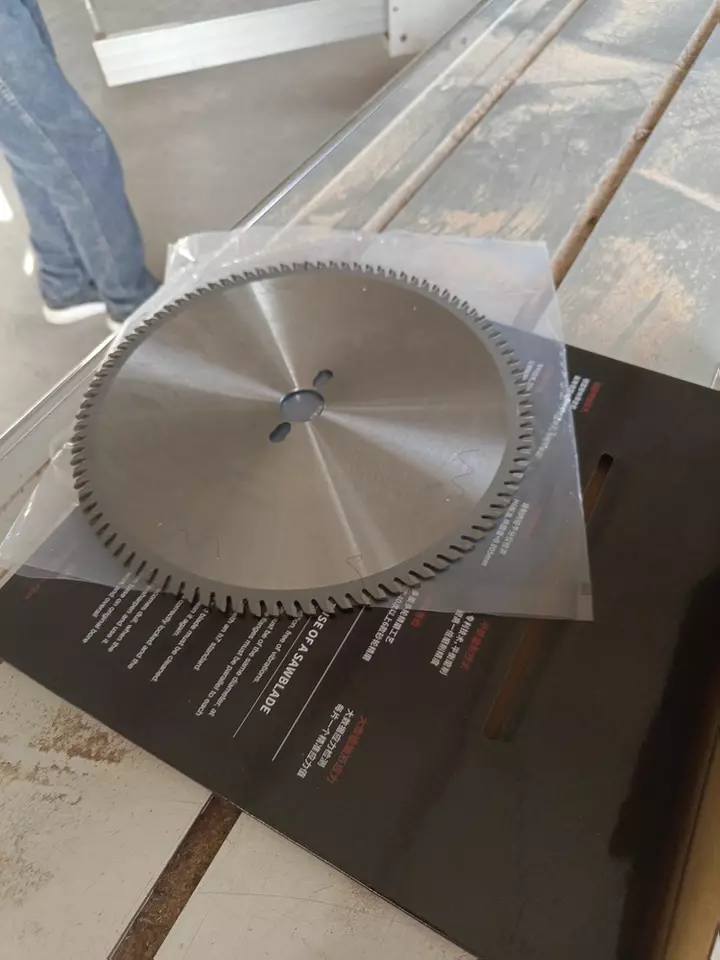
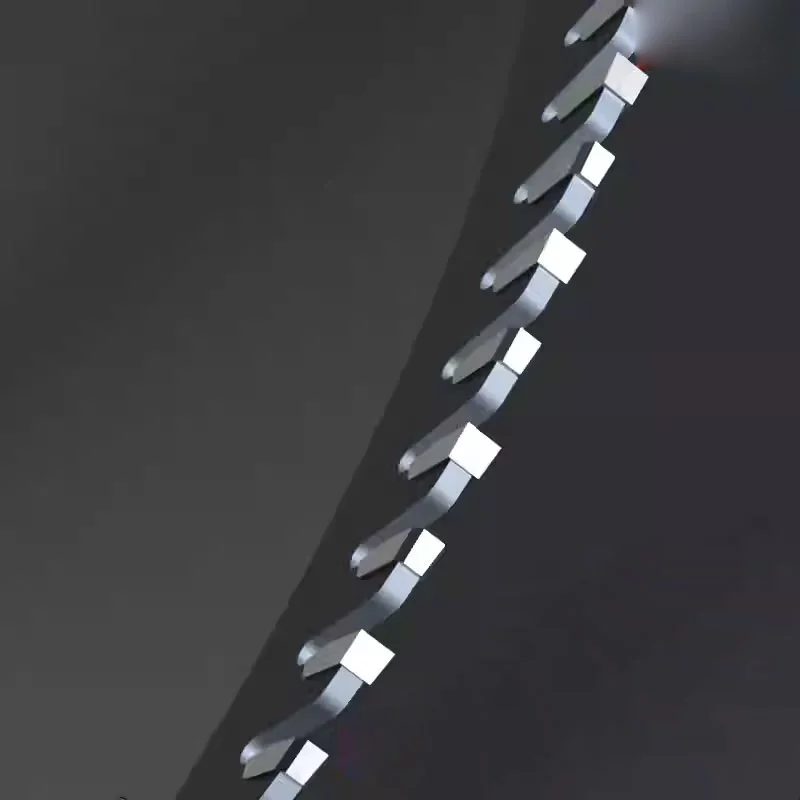

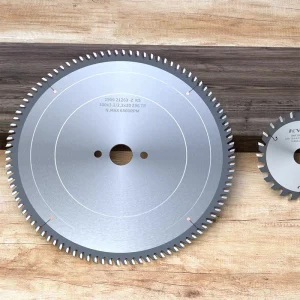

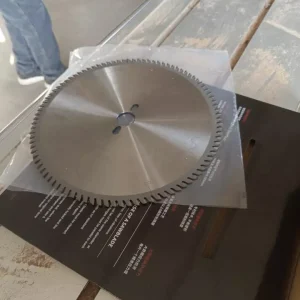
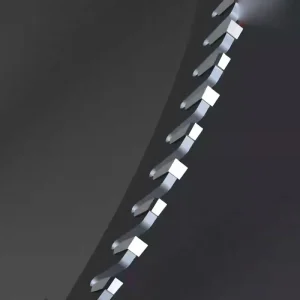
Maximize your cutting performance with premium circular saw blades. Find the perfect blade for wood, metal, laminate, or plastic. We offer fully customizable blades to match your exact specs.
-
Premium Materials: Laser-cut steel bodies and high-density carbide tips for maximum durability.
-
Optimized Geometry: Computer-balanced design reduces vibration for a smoother, safer operation.
-
Longer Lifespan: Our blades stay sharper, longer, giving you a better ROI.
-
Versatility: A blade for every material and every saw—table saws, miter saws, circular saws, and more.
-
Expert Support: Our team is here to help you select the perfect blade for your job.
Frequently Asked Questions: Expert Advice on Circular Saw Blades
-
For ripping (cutting with the wood grain), use a blade with fewer teeth (e.g., 24-tooth) for fast, aggressive cuts.
-
For cross-cutting (cutting across the grain), use a blade with more teeth (e.g., 60-tooth or 80-tooth) for a smooth, clean finish.
-
For a general-purpose blade, a 40-50 tooth combination blade is a great all-rounder.
-
Always match the blade to your material: use specific blades for wood, metal, laminate, or masonr
A: The “kerf” is the width of the cut the blade makes.
-
Full-Kerf Blades: Thicker (usually ~1/8″). They are more rigid and resistant to bending, ideal for powerful table saws and cutting hardwoods. They produce a wider cut and remove more material.
-
Thin-Kerf Blades: Thinner (usually ~3/32″). They require less power from your saw, reduce material waste, and are perfect for lower-horsepower saws like benchtop or cordless models.
A: As a general rule:
-
Fewer Teeth (10-30): Faster, rougher cuts; ideal for ripping lumber.
-
Medium Teeth (40-50): A good balance for combination/general-purpose work.
-
More Teeth (60-100+): Smoother, slower cuts; essential for fine woodworking, cross-cutting, and cutting materials like plywood or laminate without chipping.
We do not recommend it. Blades for wood are designed with a specific tooth geometry and carbide grade for cutting fibrous materials. Using them on metal can damage the teeth, create a significant safety hazard, and ruin your workpiece. Always use a blade specifically designed for the material, such as our carbide-tipped metal cutting blades or abrasive cut-off blades.
A: These acronyms describe the tooth grind, which determines the cutting action:
-
FTG (Flat Top Grind): Best for fast, aggressive ripping.
-
ATB (Alternate Top Bevel): Teeth are angled left and right for a cleaner, shearing cut across the grain. Excellent for cross-cutting and finish work.
-
TCG (Triple Chip Grind): A durable grind ideal for hard materials like laminate, plastics, non-ferrous metals, and materials that are prone to chipping.
Replace or sharpen your blade when you notice:
-
Increased effort required to push the material.
-
Burning marks on the wood.
-
Rougher-than-usual cuts.
-
Visible chipping or dullness on the carbide teeth.
A high-quality blade like ours can often be professionally sharpened several times before needing replacement, making it a more cost-effective choice in the long run.
A: Yes, absolutely! Our custom circular saw blade service is a core part of our business. We can manufacture blades to your exact specifications, including:
-
Custom diameters and arbor holes.
-
Specific tooth count and grind (ATB, TCG, etc.).
-
Specialized kerf widths.
-
Premium carbide grades for exotic materials.
-
Private labeling for professional shops.
Visit our [Custom Saw Blades] page or contact us directly for a quote.
Reviews
There are no reviews yet.